
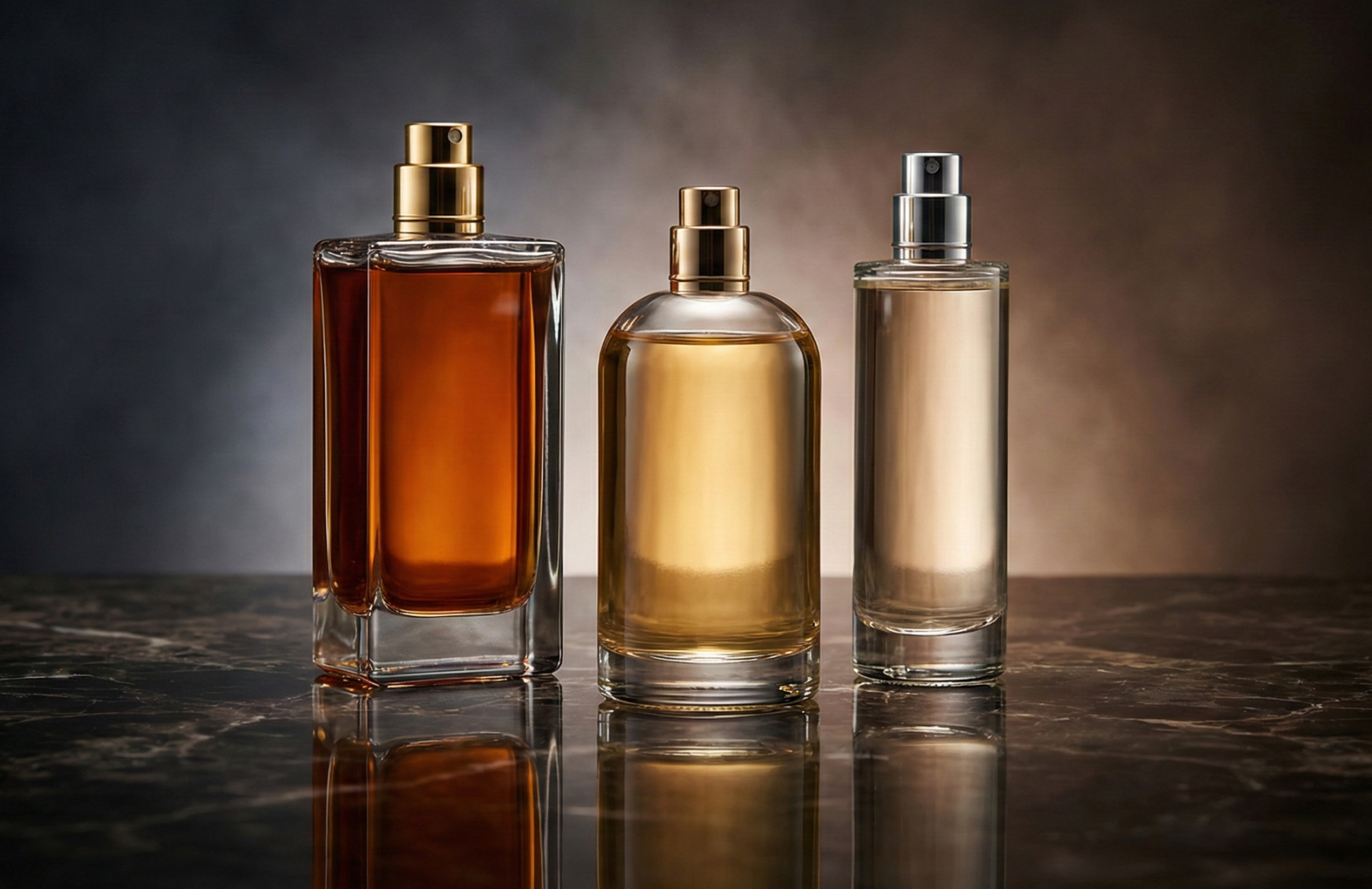
Perfumes are more than just pleasant scents—they are carefully crafted compositions designed to express mood, personality, and presence. Yet, one of the most common questions people have is:
What is the difference between Elixir, Eau de Parfum (EDP), and Eau de Toilette (EDT)?
Understanding these differences helps you choose the right fragrance for your lifestyle, occasion, and personal preference. This guide explains everything in a simple, educational way—without jargon.
Why Perfume Concentration Matters
The key difference between Elixir, EDP, and EDT lies in concentration.
Perfumes are made by blending:
- Fragrance oils (the scent)
- Alcohol or carrier base
- Fixatives and aromatic compounds
The percentage of fragrance oil determines:
- How strong the perfume smells
- How long it lasts on the skin
- How it evolves over time
- When and how it should be worn
Higher concentration does not mean “better” for everyone—it means different performance and experience.
What Is a Perfume Elixir?
Elixir is the most concentrated and intense form of perfume.
Key Characteristics of Elixir
- Very high fragrance oil concentration
- Rich, deep, and long-lasting
- Powerful projection with fewer sprays
- Slower scent evolution
- Often more intimate and luxurious
Elixirs are crafted to stay close to the skin while lasting for many hours—sometimes all day and beyond. Because of their richness, they are usually applied sparingly.
When to Wear an Elixir
- Evenings and special occasions
- Cooler weather
- When you want a strong, lasting impression
- Moments that call for depth and intensity
Elixirs feel opulent, bold, and expressive. They are not rushed fragrances—they unfold slowly.
What Is Eau de Parfum (EDP)?
Eau de Parfum, commonly known as EDP, is one of the most popular perfume concentrations today.
Key Characteristics of EDP
- High fragrance oil concentration (less than Elixir, more than EDT)
- Long-lasting but balanced
- Noticeable projection without being overwhelming
- Well-defined top, heart, and base notes
EDP strikes the perfect balance between strength and wearability. It lasts for hours while remaining versatile.
When to Wear an EDP
- Daily wear
- Work, social events, and evenings
- All seasons
- When you want presence without heaviness
EDPs are often chosen as signature scents because they are reliable and expressive without being too intense.
What Is Eau de Toilette (EDT)?
Eau de Toilette, or EDT, is a lighter and fresher form of perfume.
Key Characteristics of EDT
- Lower fragrance oil concentration
- Light, airy, and refreshing
- Shorter wear time compared to EDP and Elixir
- Stronger opening, softer dry-down
EDTs feel energetic and bright. They are designed to be refreshing rather than intense.
When to Wear an EDT
- Daytime and casual wear
- Hot or humid weather
- Office or close environments
- When you prefer subtle fragrances
EDTs are ideal for people who enjoy reapplying perfume and want a clean, effortless scent.
Elixir vs EDP vs EDT: A Simple Comparison
Intensity
- Elixir: Very intense and deep
- EDP: Balanced and noticeable
- EDT: Light and fresh
Longevity
- Elixir: Longest lasting
- EDP: Long-lasting
- EDT: Moderate
Projection
- Elixir: Strong but controlled
- EDP: Clear and confident
- EDT: Soft and subtle
Personality
- Elixir: Bold, luxurious, dramatic
- EDP: Elegant, versatile, refined
- EDT: Fresh, casual, easy-going
Does Higher Concentration Mean Better Quality?
Not necessarily.
A higher concentration:
- Does not mean better ingredients
- Does not mean it suits everyone
- Does not always mean stronger projection
Quality depends on:
- Ingredient selection
- Balance of notes
- Craftsmanship
- How the perfume reacts with your skin
The “best” concentration is the one that fits your lifestyle, climate, and personal taste.
How to Choose the Right One for You
Ask yourself:
- Do I want something bold or subtle?
- Will I wear this daily or occasionally?
- Do I prefer freshness or depth?
- Am I wearing this in hot or cool weather?
Quick Guidance
- Choose Elixir if you love intensity and long wear
- Choose EDP if you want balance and versatility
- Choose EDT if you enjoy freshness and lightness
Why Understanding This Matters Before Buying a Perfume
Many people feel disappointed with perfumes simply because they chose the wrong concentration—not the wrong scent.
Knowing the difference helps you:
- Set correct expectations
- Use perfume properly
- Appreciate how fragrances are crafted
- Build a thoughtful fragrance wardrobe
Perfume is personal. Education makes the experience better.
Our Approach to Fragrance Creation
When we create perfumes—whether Elixir, EDP, or EDT—we respect:
- The nature of the fragrance profile
- The purpose of each concentration
- Balance over excess
- Quality over gimmicks
Each concentration is designed intentionally, not just labeled differently.
Final Thoughts: Perfume Is an Experience, Not a Category
Elixir, EDP, and EDT are not competitors—they are expressions.
Each tells the same story in a different voice:
- Elixir speaks softly but powerfully
- EDP speaks confidently and clearly
- EDT speaks lightly and freely
Understanding these differences allows you to choose not just a perfume—but the right way to wear it.
Because fragrance is not about how strong it is.
It’s about how well it fits you.
Add Comment